– Symptoms can vary greatly between individuals and may include:
– Digestive issues: bloating, diarrhea, constipation, abdominal pain
– Fatigue and general weakness
– Weight loss and poor growth (especially in children)
– Skin rashes, particularly dermatitis herpetiformis (itchy, blistering rash)
– Iron-deficiency anemia
– Bone issues like osteoporosis or low bone density
– Mouth ulcers
– Neurological symptoms: headaches, depression, anxiety, and tingling or numbness in the hands and feet
– Some people, especially those with “silent” Coeliac disease, may not experience any obvious symptoms, even though internal damage is occurring.
2. Cause and Risk Factors:
– Genetics: Coeliac disease has a strong genetic component. The majority of people with Coeliac disease have specific genes known as HLA-DQ2 or HLA-DQ8. However, not everyone who carries these genes will develop the disease.
– Environmental triggers: Environmental factors such as a viral infection, stress, or surgery can act as triggers for the onset of Coeliac disease in genetically predisposed individuals.
3. Diagnosis:
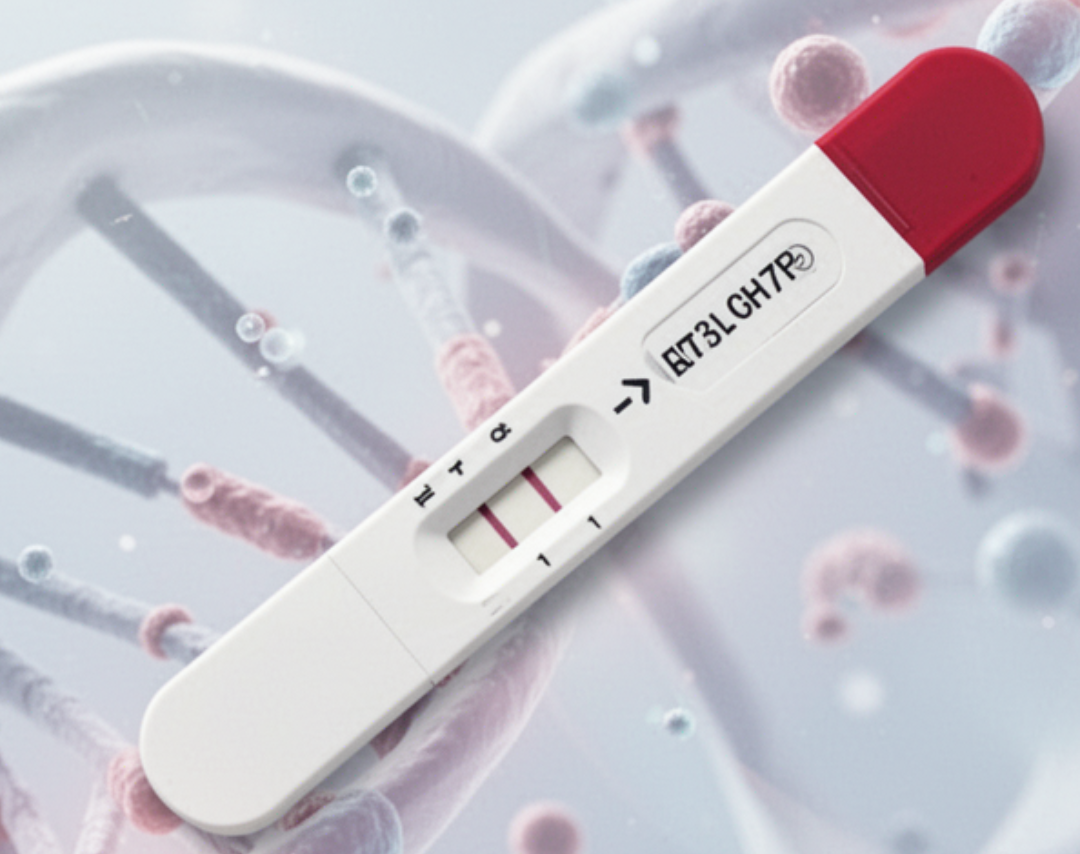
– Blood tests: The most common initial tests look for specific antibodies that the body produces in response to gluten consumption (e.g., anti-tTG or anti-endomysial antibodies).
– Small intestine biopsy: To confirm the diagnosis, doctors typically perform a biopsy of the small intestine to look for damage to the villi.
– Dietary challenge: In some cases, doctors may recommend a gluten challenge, where a person consumes gluten for a period before being tested.
4. Treatment:
– Strict, lifelong gluten-free diet: The only effective treatment for Coeliac disease is avoiding all sources of gluten. Even small amounts of gluten can trigger the immune response and cause further damage to the small intestine.
– This means completely avoiding foods and ingredients containing wheat, barley, rye, and oats (unless specifically labeled as gluten-free).
– Cross-contamination is a major concern, so careful food preparation and label reading are crucial.
– Dietary supplementation: In some cases, people with Coeliac disease may need to take supplements to address deficiencies in vitamins and minerals (like iron, calcium, and vitamin D) caused by malabsorption.
5. Long-Term Health Effects:
– If left untreated, Coeliac disease can lead to serious complications, such as:
– Malnutrition due to poor nutrient absorption
– Infertility and pregnancy complications
– Osteoporosis due to calcium and vitamin D deficiencies
– Increased risk of some types of cancer, including intestinal lymphoma and esophageal cancer (though these are rare).
– People with Coeliac disease also have a higher risk of developing other autoimmune diseases, such as Type 1 diabetes, autoimmune thyroid disease, and liver disease.
6. Living with Coeliac Disease:
– People with Coeliac disease must be diligent in avoiding gluten and making safe food choices, which can be a challenge in a world where gluten is present in many foods.
– Social gatherings, dining out, and travel can be difficult, but many restaurants and companies are becoming more aware of Coeliac disease, and there are increasing resources for people to find gluten-free options.
– Support groups and online communities can be helpful for emotional support and practical tips.
7. Coeliac Disease and Children:
– Coeliac disease can develop at any age, including in infants or children, though it is often diagnosed between the ages of 1 and 5.
– Children with Coeliac disease may experience failure to thrive, delayed growth, irritability, and poor appetite.
– Early diagnosis and treatment are essential to prevent long-term developmental and health problems.
The Gluten-Free Diet:
Living with Coeliac disease means strictly adhering to a gluten-free diet for life. While it can feel limiting at times, there is a growing range of gluten-free products available, and with careful planning, it is possible to maintain a healthy, balanced diet.
Foods to Avoid:
– Wheat, barley, rye, and any products made from these grains.
– Processed foods that may contain hidden gluten (like sauces, dressings, and processed meats).
– Beer, unless labeled gluten-free (beer is traditionally made from barley).
Gluten-Free Alternatives:
– Rice, corn, quinoa, and potatoes.
– Gluten-free grains like sorghum, teff, millet, and buckwheat.
– Gluten-free flours such as rice flour, almond flour, and coconut flour.
– Many naturally gluten-free foods like fruits, vegetables, meat, fish, eggs, and dairy are safe to consume.
Key Takeaways:
Coeliac disease is a serious condition that requires lifelong management through a gluten-free diet. With the right treatment, most people with Coeliac disease can lead healthy, symptom-free lives. However, early diagnosis is critical to prevent long-term complications, and the commitment to a gluten-free lifestyle can be a challenge, but it is essential for managing the disease effectively.