Sunscreen for some, is non-negotiable — but if you live with coeliac disease or gluten sensitivity you may wonder whether your SPF is safe. This guide explains the science, buying rules, and — presents Top gluten-Free Sunscreen Brands, so you can protect your skin without the worry.
Why some people look for gluten-free sunscreen
Short answer: most sunscreens won’t cause gut damage, but there are two reasons people still choose gluten-free formulas:
1. Scientific consensus is that gluten molecules are too large to be absorbed through intact skin, so topical exposure generally won’t trigger coeliac disease or intestinal damage. Clinical and medical groups (and dermatologists) note that ingestion is the real risk.
2. Practical exceptions: products applied near the mouth (lip balms, lip sunscreen, sprays used near the face), open wounds or dermatitis herpetiformis, or accidental hand-to-mouth contact (kids, eating after applying sunscreen) can cause ingestion or local irritation — so many people with coeliac take a cautious approach and prefer sunscreens labeled or certified gluten-free.
How to choose a “coeliac-safe” sunscreen (quick rules)
- Look for explicit “gluten-free” labelling or certification.
- Prefer mineral sunscreens (zinc oxide / titanium dioxide) when in doubt — the UV filters themselves are mineral and not gluten proteins. Still check full ingredient lists for botanical extracts or wheat-derived ingredients.
- Avoid products for lips or mouth unless labeled GF. Lip products have ingestion risk.
- If you have dermatitis herpetiformis or sensitive skin, consult your clinician before trying a new topical. Some patients report skin reactions to topical gluten even though absorption is unlikely.
Top gluten-free sunscreen brands
Below we highlight widely recommended brands that either label products gluten-free, have been reviewed by independent allergen checkers, or are repeatedly recommended by coeliac communities and allergy publications. Always check the specific product label and local formulation (ingredients can vary by country).
1. Kiss My Face
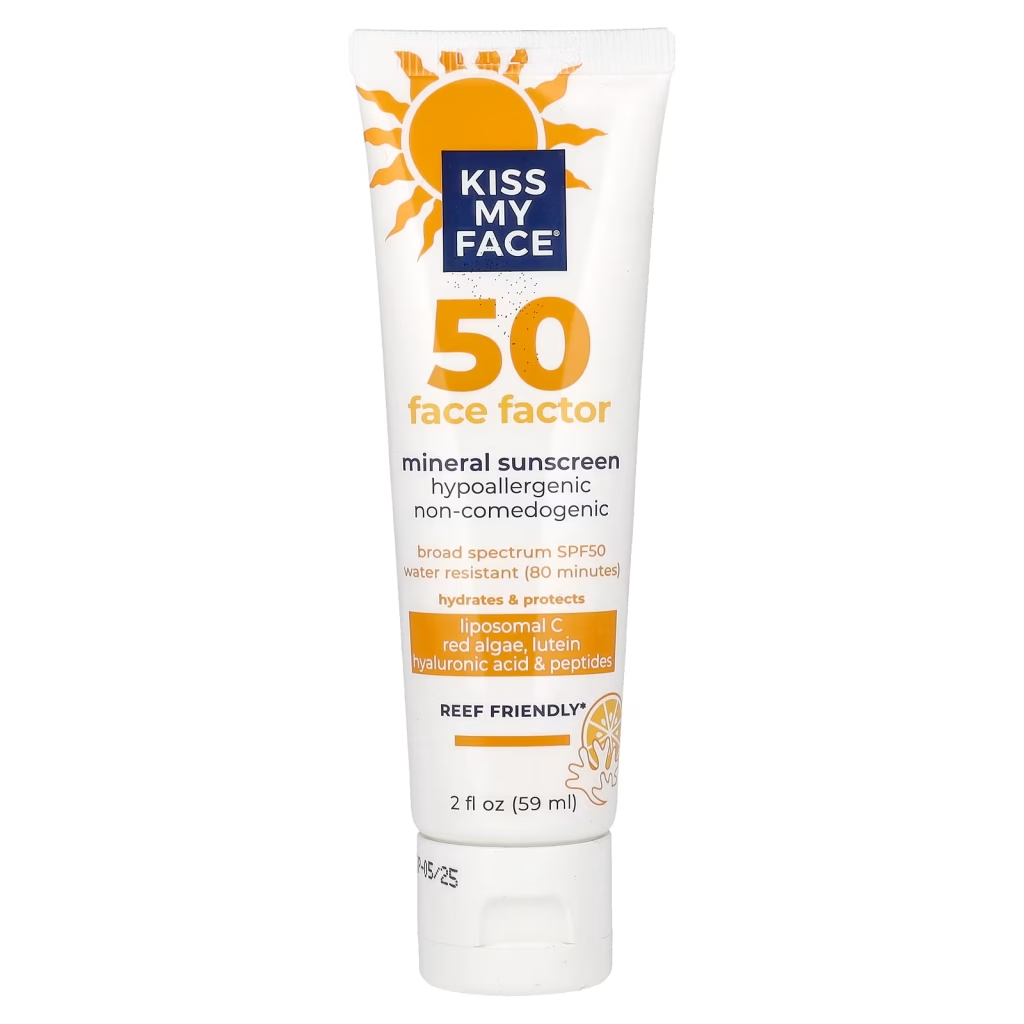
— reliable gluten-free labelling,
Why it’s on the list: Kiss My Face states that many of its personal care products are gluten-free and several sources list the brand as NSF-certified for gluten-free items. Their sunscreens are widely used and easy to find. Great for: everyday family sunscreen when you want an explicitly labeled GF option.
Top pick: Kiss My Face Mineral SPF options (check packaging for GF mark).
2. Vanicream
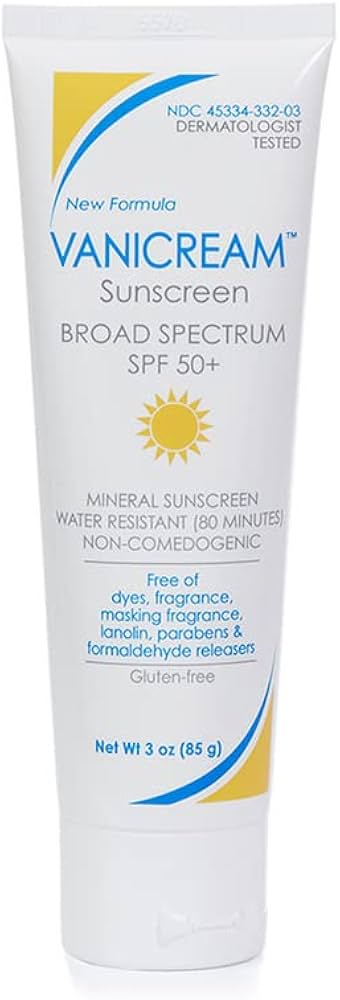
— sensitive-skin favourite, gluten-free-friendly
Why it’s on the list: Vanicream targets sensitive skin and avoids many common irritants; community guides and product lists cite Vanicream sunscreens as gluten-free and appropriate for people with sensitivities. Ideal for: sensitive skin, fragrance-free routines, and those who need a simple, dermatologist-friendly SPF.
Top pick: Vanicream Mineral SPF lotion variants (hypoallergenic formula).
3. EltaMD

— dermatologist-trusted, many products free of gluten
Why it’s on the list: EltaMD is a go-to dermatologist brand; company FAQs and ingredient reviews note that several EltaMD sunscreens (including popular facial SPFs) are free of gluten-containing ingredients and have been reviewed as hypoallergenic. Not every EltaMD product is guaranteed GF — check the specific SKU and country-labelling.
Top pick: EltaMD UV Clear (popular for acne-prone and rosacea-prone skin) — review ingredient panel per your region.
4. Babo Botanicals

— allergen-conscious, some products labeled GF
Why it’s on the list: Allergy-focused publications list Babo Botanicals sunscreens among options free of the Top 9 allergens plus gluten for specific formulas. Good for: parents (they make kid-friendly mineral sunscreens) and folks looking for hypoallergenic, fragrance-free options.
Top pick: Babo Botanicals Super Shield SPF (zinc oxide based; check the packaging for allergen claims).
https://www.babobotanicals.com
5. Badger
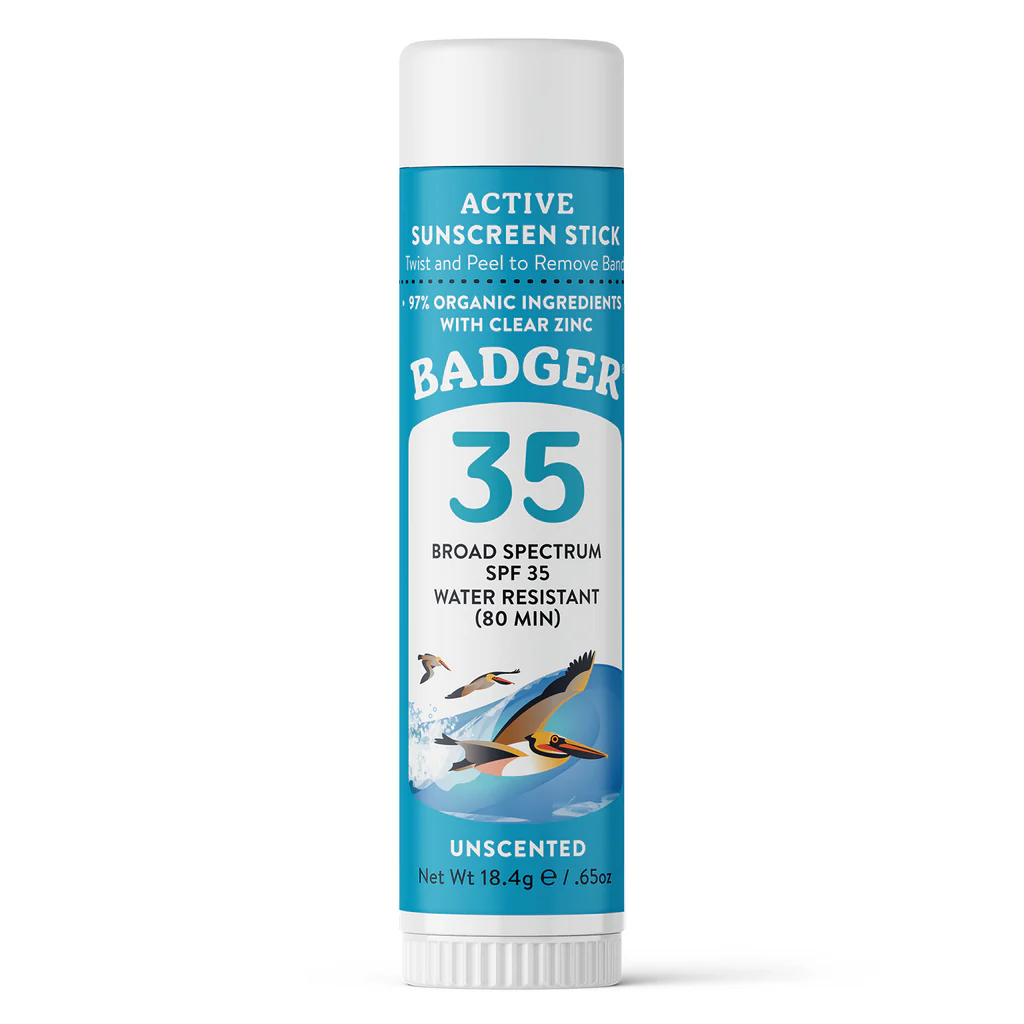
— natural/mineral options; check country & batch
Why it’s on the list: Badger is known for mineral sunscreens (zinc oxide) and natural ingredients. Note: some Badger products in certain countries are produced by subcontractors and may not be certified GF — company transparency means some formulas are explicitly GF and others are not guaranteed, so always check the label and the brand’s GF product list.
Top pick: Badger Mineral Sunscreen sticks/creams where the product page explicitly lists gluten-free status.
6. La Roche-Posay (Anthelios line)
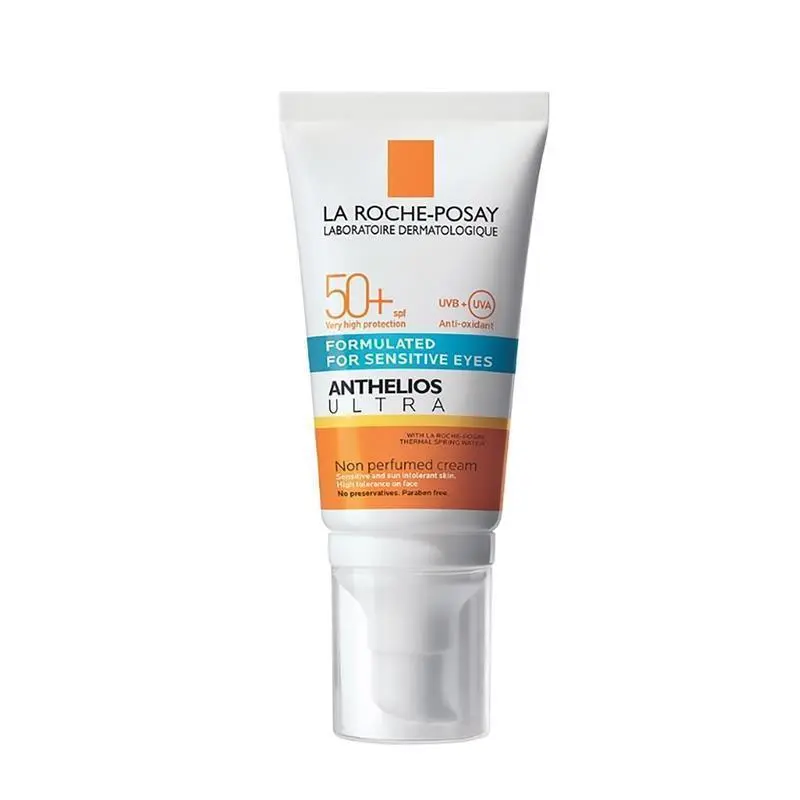
— dermatologist brand with gluten-free guidance
Why it’s on the list: La Roche-Posay’s Anthelios range is a dermatologist staple. Several ingredient databases and community guides indicate many Anthelios products are considered safe for people avoiding gluten in topicals — though formulations vary regionally, so confirm the ingredient list for the precise product you buy. Great for: high-performance facial SPFs and sensitive skin.
Top pick: Anthelios Melt-in Milk / Anthelios Mineral (check ingredients and local packaging).
https://www.laroche-posay.com.au
Notes on other popular brands
Neutrogena, Coppertone, Banana Boat, Cetaphil: these large brands often have many formulations — some gluten-free, some not. Community lists include certain Neutrogena and Coppertone items as GF, but always check the exact product ingredients and local labelling.
Buying checklist — what to inspect on the label
- Ingredient names to avoid (if concerned): look for wheat, barley, rye, triticum, hydrolyzed wheat protein, or “gluten” specifically. (Note: many sunscreens won’t list gluten as a single ingredient but could include derivatives.)
- Look for “gluten-free” or NSF/third-party gluten-free certification on the packaging.
- Country/SKU matters: the same brand may produce slightly different formulas for different markets — check the ingredient list on the box for the product you actually buy.
- For lip products or sprays used near the mouth, prefer an explicit gluten-free label.
Quick FAQ
Q: Can topical gluten cause coeliac disease?
A: The best available evidence says topical gluten is unlikely to be absorbed through intact skin to cause coeliac disease; ingestion is the main problem. Still, lip products and accidental ingestion are important exceptions. If you have dermatitis herpetiformis or unexplained skin flares, consult your healthcare professional.
Q: Is mineral sunscreen automatically gluten-free?
A: The active mineral UV filters (zinc oxide, titanium dioxide) are not gluten proteins — however, other inactive ingredients (emollients, thickeners, botanical extracts) might include gluten derivatives. Always check the full ingredients.
Q: If a sunscreen isn’t labeled GF, am I doomed?
A: No — many sunscreens are unlikely to contain gluten. But if you’re cautious (especially for lip use, children, or DH), choose labeled products or reach out to the brand to confirm. Community lists and ingredient databases can help, but reading the actual product ingredient list is best.
Final tips & next steps
- Keep a short list of trusted SKUs (photo of the box or SKU number) that you’ve checked — that avoids surprises when shopping abroad.
- If in doubt, contact the brand customer service with SKU and ask whether the product is gluten-free and whether they test for cross-contamination. Several brands provide ingredient/ allergen information on request. ([EltaMD][6])